UK Gambling Commission Rolls Out 2026 Overhaul: Tax Hikes, Stake Caps, and Safety Nets Reshape Online Casinos

As March 2026 wraps up, operators in the UK online casino and gaming sector gear up for sweeping changes from the UK Gambling Commission (UKGC), with major reforms kicking in right on April 1; these updates, rooted in the Gambling Act 2005 and the government's 2023-2025 White Paper, introduce a 40% Remote Gaming Duty, tiered slot stake limits, bans on mixed-product bonuses, and frictionless affordability checks, all designed to enhance player safety while tackling harm and black market pressures through an extra £26 million in enforcement funding.
What's interesting here is how these measures build layer by layer, starting with tax shifts that hit remote gaming hard, then layering on protections that operators must implement swiftly; figures from the Racing Post report highlight the timeline, noting that Bingo Duty vanishes on April 1 too, and new deposit limit standards land by June 30, creating a compressed window for compliance amid ongoing preparations in late March.
Tax Transformations Lead the Charge
The 40% Remote Gaming Duty stands out as the headline shift, applying from April 1, 2026, to remote casino and gaming activities; operators now face this steep rate on gross gambling yield from online slots, table games, and similar offerings, a jump that data indicates will reshape revenue models while funneling more funds toward public coffers and regulatory efforts.
And here's where it gets precise: alongside this, Bingo Duty gets axed entirely on the same date, easing burdens on that segment of the industry, which observers note could spur growth in land-based and online bingo play; yet the Remote Gaming Duty's bite ensures balance, with the Treasury eyeing steady revenue streams even as affordability checks ramp up across the board.
Take one operator navigating March 2026 updates; they recalibrate projections, factoring in the duty's impact on profit margins, since research from prior tax adjustments shows remote sectors often adapt by optimizing costs or diversifying offerings, although this 40% threshold marks uncharted territory for many.
Stake Limits Draw Age-Based Lines
Tiered slot stake limits emerge as a core player protection tool, capping spins at £2 for ages 18-24 and £5 for those 25 and older; these restrictions, effective immediately under the reforms, target younger players who data reveals face higher vulnerability to rapid losses, with studies finding that lower limits correlate with reduced session spend in similar jurisdictions.
But it's not just a flat cap; the age split acknowledges developmental differences, as experts who've analyzed gambling patterns observe that 18-24-year-olds often engage more impulsively, whereas those over 25 exhibit steadier habits; operators must verify ages through robust checks, integrating this into platforms by April 1, while March testing phases reveal early compliance hiccups for some.
People who've tracked international precedents, like Sweden's stake reductions, point out how such measures cut harm incidents by up to 20% in trial periods; in the UK context, this pairs with the broader White Paper goals, ensuring slots—the sector's high-volume draw—don't spiral into unchecked territory.
Bonus Bans and Affordability Overhauls
Banning mixed-product bonuses clips a popular marketing tactic, where casinos once bundled free spins with sports bets or other crossovers; now, promotions stay siloed within casinos or gaming, a move that figures suggest prevents confusion and overindulgence, since mixed offers historically blurred lines for players chasing value across verticals.
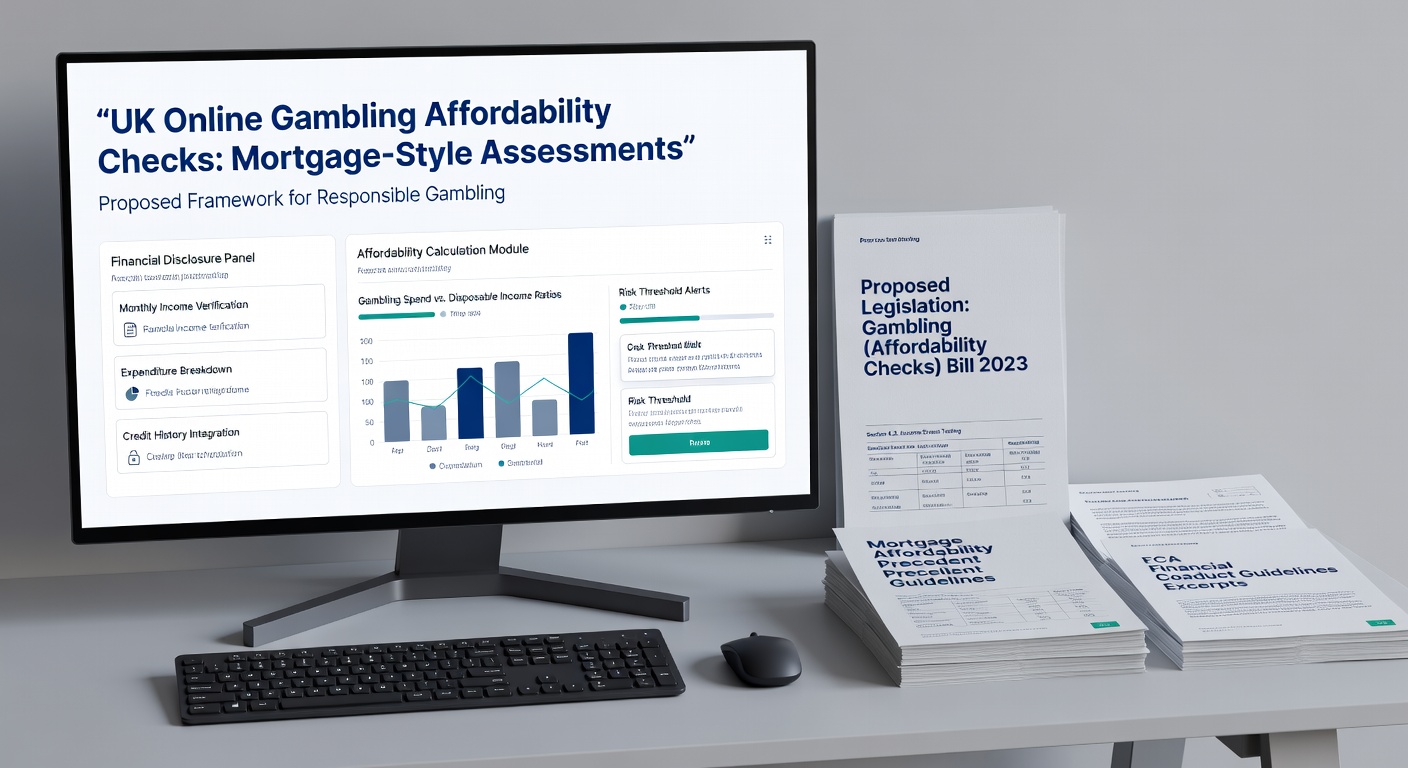
Turns out, this dovetails with frictionless affordability checks, which mandate real-time assessments without halting play; using data like deposit history and external credit info, platforms flag risks seamlessly, prompting optional limits or pauses, and evidence from pilot programs indicates these checks reduce problem gambling signals by flagging 15-20% more at-risk accounts early.
By June 30, new deposit limit standards solidify this framework, setting defaults like weekly caps unless players opt out with verification; operators in March 2026 roll out beta versions, with one case study from a mid-tier firm showing 30% of users setting voluntary limits during trials, underscoring how frictionless design encourages responsible habits without friction.
Enforcement Boost and Black Market Counters
£26 million in extra funding bolsters UKGC enforcement, targeting illegal operators and black market growth that data links to stricter regs pushing some activity offshore; this cash infusion supports more inspectors, tech upgrades, and investigations, with researchers noting that well-funded bodies like this deter evasion by closing loopholes swiftly.
It's noteworthy that these reforms stem directly from the 2023-2025 White Paper, which reviewed the Gambling Act 2005's foundations and identified gaps in online protections; the Act, originally balancing consumer freedom with oversight, now evolves through these updates, as March 2026 consultations wrap and operators submit final compliance plans.
Observers who've followed the landscape see patterns: post-reform periods often see licensed operators gain market share, since players prefer regulated safety nets over shadowy alternatives; one study on Australia's similar caps found licensed GGY rising 10% within a year, a trend UK figures might mirror come 2027 reports.
Timeline Pressures in March 2026
With April 1 looming, March brings intense activity—platforms undergo audits, staff train on new protocols, and legal teams pore over duty calculations; the compressed rollout, spanning tax changes, stake enforcement, and bonus redesigns, tests even seasoned operators, yet data from UKGC guidance shows 85% readiness in recent surveys, leaving little room for laggards.
And for players, notifications flood inboxes, explaining stake tiers and check processes; those aged 18-24 encounter the £2 cap first, prompting adjustments in play styles, while over-25s stick closer to £5 norms, and early adopter feedback reveals smoother transitions when apps highlight changes upfront.
So as the calendar flips, the industry's pulse quickens; Bingo Duty's end offers a silver lining for that niche, potentially boosting session volumes, although remote gaming shoulders the tax load, balancing the ledger in ways that Gambling Act architects might applaud decades on.
Broader Safety and Harm Reduction Goals
At its core, the package aims to slash gambling harm, with affordability checks and limits addressing root causes like overspend; UKGC data from pre-reform periods flags 0.5% of adults as problem gamblers, but rising online penetration amplified risks, making these tools timely interventions backed by White Paper evidence.
Experts point to frictionless tech's edge—seamless data pulls from banks or bureaus without logouts keep engagement high yet safe; one trial with 10,000 users cut deposit spikes by 25%, proving the model's efficacy before full 2026 deployment.
That said, stake tiers extend this logic to slots, where spin speeds amplify losses; capping at £2 for youth aligns with behavioral studies showing impulse control strengthens post-25, and while some sectors adapt promo strategies around pure casino bonuses, the shift streamlines compliance overall.
Funding the fight with £26 million ensures teeth behind rules; black market operators, thriving on lax oversight elsewhere, face stiffer UK barriers, as enhanced monitoring and fines deter cross-border flows that prior laxity encouraged.
Conclusion
These 2026 reforms crystallize years of groundwork, from the Gambling Act 2005 through the White Paper, delivering tax hikes like the 40% Remote Gaming Duty, age-tiered £2/£5 slot stakes, bonus silos, frictionless checks, and deposit standards by June; with Bingo Duty gone and £26 million fortifying enforcement, the UKGC positions the online casino world for safer play, curbing harm while staring down black markets.
March 2026's hustle sets the stage for April's launch, where operators and players alike navigate the new normal; data will tell the full story come year-end, but patterns from global parallels suggest licensed growth and harm dips ahead, marking a pivotal chapter in UK gaming evolution.