UK Punters Push Back Hard Against Mortgage-Style Gambling Affordability Checks

The Spark Igniting Widespread Opposition
Proposed affordability checks for UK online gambling, designed much like mortgage applications with demands for bank details and financial documents, have unleashed a storm of backlash from bettors across the country; nearly two-thirds of them now vow to withhold such sensitive information, according to recent surveys that capture the raw sentiment on the ground. This resistance comes as regulators push forward with reforms aimed at curbing problem gambling, yet the measures risk alienating the very customers they seek to protect, while industries like horse racing brace for severe financial hits.
What's interesting here is how quickly the discontent has spread; punters who enjoy casual bets on football matches or horse races suddenly face hurdles resembling a credit check before placing a wager, and that friction has turned mild frustration into outright revolt. Data from multiple polls underscores the scale, revealing not just opposition but a firm resolve to walk away if these checks become mandatory.
And as the debate heats up, figures in the racing world have mobilized, sending urgent pleas to government officials; over 400 industry leaders penned a letter to Culture Secretary Lisa Nandy, warning of catastrophic consequences that could ripple through British horse racing and beyond.
Surveys Reveal the Depth of Bettor Resistance
The Betting and Gaming Council survey of over 2,000 punters lays bare the numbers: 65% of respondents flat-out refuse to share bank details or similar documents, a stance that highlights the invasive nature of these proposed checks and the trust gap widening between players and operators. Conducted amid growing regulatory scrutiny, this poll captures voices from everyday bettors who see the measures as overreach, preferring self-control over bureaucratic oversight.
But here's the thing; the Gambling Commission's own research, drawn from 12,000 frequent gamblers, paints an even starker picture, with over 75% expressing opposition to the checks, indicating that even regular high-volume players draw a line at handing over financial snapshots just to place bets. These findings, released in tandem with industry pushback, suggest a potential exodus from licensed sites, where punters might seek alternatives less encumbered by such requirements.
Take one group of surveyed bettors, for instance; they described the process as "mortifying," akin to applying for a loan for a £10 bet on the Grand National, and that's where the rubber meets the road for many who view gambling as entertainment, not a financial audit. Researchers who analyzed the data noted consistent themes across demographics, from young football fans to seasoned horse racing enthusiasts, all united in their reluctance.
Racing Industry Figures Rally with Dire Warnings
Over 400 prominent voices from British horse racing, including trainers, owners, and jockeys, have urged Culture Secretary Lisa Nandy to scrap the policy entirely; their open letter details projections of £250 million in annual losses to the sport, a figure derived from modeling reduced betting volumes on licensed platforms. This sector, already navigating economic pressures, fears that punters will migrate to black market operators who sidestep these checks, draining revenue from tracks like Ascot and Cheltenham that rely heavily on gambling income.
It's noteworthy that these industry leaders frame the issue not just as a financial blow but as a threat to the ecosystem; prize money funds much of the training and upkeep, so a drop in bets could lead to fewer races, job cuts, and diminished appeal for international talent. Observers in the field point to similar past reforms where unintended consequences boosted unregulated markets, and now the writing's on the wall for potential repeats if the checks roll out unchecked.
Yet the pushback extends beyond racing; bookmakers echo these concerns, arguing that the checks, set to phase in with full frictionless implementation by April 2026, could slash overall wagering by up to 30% in the first year, based on early trials where drop-off rates surprised even skeptics. One study from pilot programs revealed participants abandoning sessions midway through verification, underscoring how the process disrupts the seamless flow punters expect.
Details of the Proposed Checks and Timeline
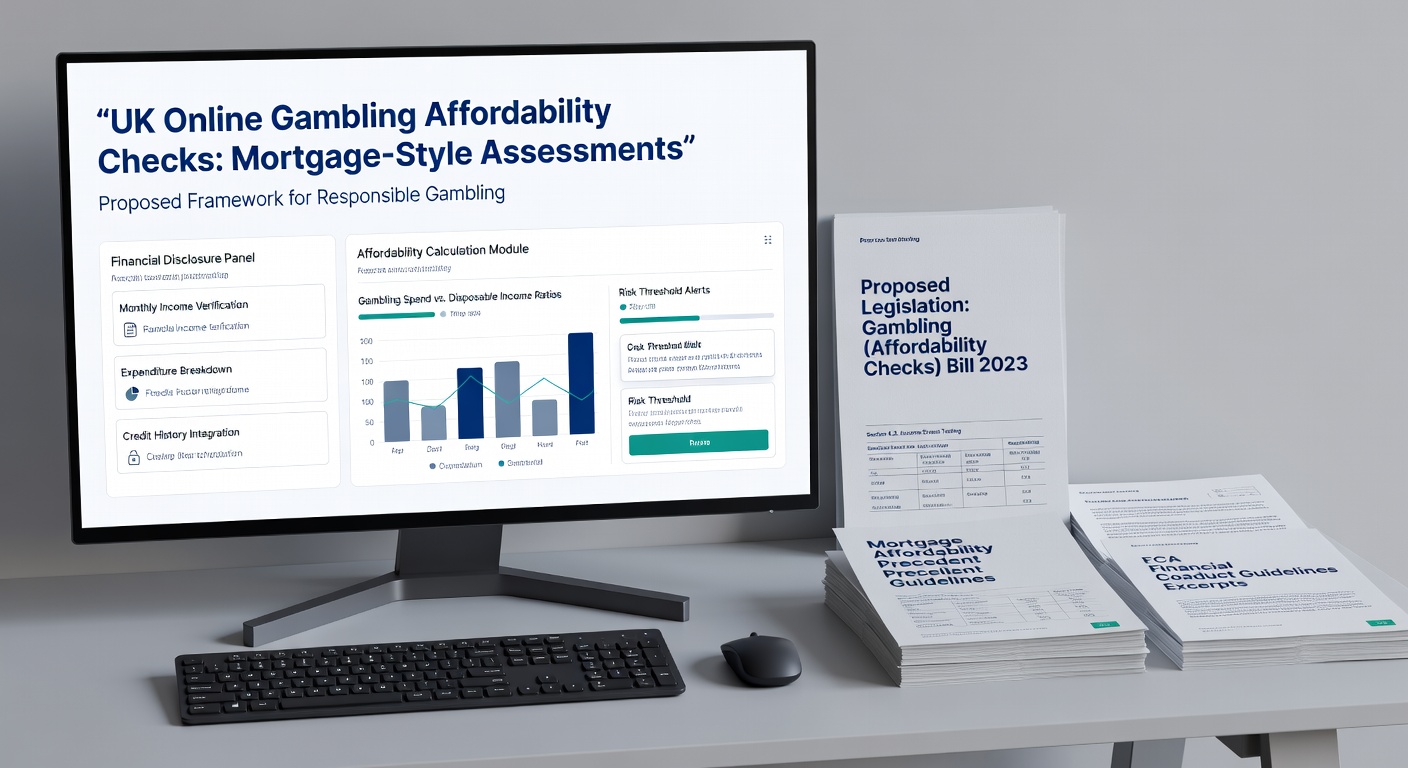
These affordability assessments mirror mortgage evaluations by requiring proof of income, expenditure patterns, and sometimes three months of bank statements before allowing stakes above certain thresholds; for losses exceeding £1,000 in 30 days or £2,000 over 180 days, operators must verify financial health, a step that could delay or block bets during live events like Premier League matches or Cheltenham Festival days. Regulators at the Gambling Commission envision a tiered system, starting wth soft prompts and escalating to hard stops, all leading to comprehensive enforcement by April 2026 when the new regime locks in.
But turns out, the devil's in the details; punters report unease over data privacy, with fears that shared bank info could lead to targeted marketing or worse, breaches in a landscape where cyber threats loom large. Experts who've studied compliance costs estimate operators face millions in setup expenses for AI-driven verification tools, costs inevitably passed to customers through tighter margins or reduced promotions.
People often find that such interventions, while well-intentioned, clash with the impulsive nature of sports betting; a quick punt on a tennis upset or greyhound sprint loses its thrill when bogged down by paperwork, and that's a pattern repeated in feedback from the surveys where 65-75% rejection rates hold steady across regions.
Potential Shifts to Black Market and Economic Ripples
The specter of a black market boom hangs heavy over the debate; industry analyses predict a surge in offshore sites that ignore UK rules, drawing in the very vulnerable players regulators aim to shield since these platforms offer no protections like self-exclusion via GamStop. Figures from the racing letter highlight how £250 million vanishing from legal channels could equate to 10,000 job losses in racing alone, while broader gambling employs over 100,000 nationwide.
So as April 2026 approaches, with checks mandating real-time affordability interactions for higher rollers, stakeholders watch closely; early data from voluntary schemes shows 20% of users switching providers to evade scrutiny, a trend that could accelerate under compulsion. Those who've tracked European parallels, like Sweden's strict caps, note similar outflows to unregulated apps, where problem gambling rates actually climbed despite the intentions.
What's significant is the unity in opposition; from grassroots punters in pub leagues to elite racing stables, the message rings clear that these checks, though aimed at safer gambling, risk fracturing a £14 billion industry without delivering promised safeguards.
Conclusion
As backlash mounts against UK online gambling's proposed affordability checks, surveys showing 65% to over 75% opposition from thousands of punters signal a pivotal moment for regulators and the industry alike; the racing sector's dire £250 million loss projections and black market warnings add urgency, especially with full rollout looming in April 2026. Data indicates that while the goal of protecting players remains central, the method faces steep resistance, potentially reshaping betting habits in ways that challenge licensed operators' survival. Observers note that finding a balanced path forward will test policymakers, as the stakes—both financial and cultural—couldn't be higher for Britain's vibrant gambling scene.