UK Betting Landscape: Fresh Headlines and Shifting Patterns
23 Apr 2026
UK Gambling Sector Faces Major 2026 Pivot: Remote Gaming Duty Doubles, Bingo Tax Vanishes, and Promotions Get Stricter

Observers in the UK gambling world watch closely as 2026 brings a cascade of regulatory tweaks, starting with the Remote Gaming Duty (RGD) on online slots and casino games jumping from 21% to 40% come April 1, while Bingo Duty gets repealed on the same date to streamline the tax landscape; these shifts, detailed in recent industry reports, layer onto promotional curbs that kicked in January 19, capping bonus wagering at 10x and outlawing mixed-product offers.
Tax Overhaul Hits Online Heavyweights
The RGD hike stands out as the headline grabber, effectively nearly doubling the levy operators pay on gross gambling yield from remote slots and casino play, a move set to squeeze margins in a sector already navigating affordability checks and stake limits. Data from policy circles shows this change targets the booming online vertical, where slots alone command a hefty slice of revenue; operators now scramble to adjust pricing models, some passing costs to players through tighter odds or fewer freebies, although the Treasury frames it as fairer alignment with land-based duties.
But here's the thing: the Bingo Duty repeal softens the blow for that niche, scrapping a legacy tax that cluttered compliance for bingo halls and their digital arms, simplifying filings across the board since April 1 means fewer forms and lower admin burdens, especially for hybrid venues blending physical and online bingo. Figures reveal bingo's market share hovers around modest levels, yet experts note this cleanup could spur innovation in session-based games, drawing in casual players wary of high-stakes slots.
And while the duty doublings grab headlines, the net effect on industry GGY—projected to hold steady or dip slightly per early forecasts—hinges on how firms adapt, with some pivoting toward sports betting where duties remain unchanged at 15% or lower for certain products. It's noteworthy that these tax pivots coincide with broader fiscal pressures, as government coffers eye gambling's £4 billion-plus annual contribution without alienating a regulated powerhouse.
Promotional Rules Tighten the Leash
January 19 marked the rollout of stricter promo guidelines, slashing bonus wagering requirements to a uniform 10x cap across welcome offers and reloads, a sharp curb on the lavish multipliers that once lured players with 30x or 50x hurdles; operators complied swiftly, redesigning loyalty schemes and VIP perks to fit the new mold, although data indicates player acquisition costs rose 12-15% in the first quarter post-change.
What's interesting unfolds in the ban on mixed-product bonuses, where offers blending casino free spins with sports free bets now sit firmly off-limits, forcing segmentation that protects vulnerable players from cross-sell temptations while challenging marketers to sharpen single-vertical pitches. Take one major operator's case: they revamped their sportsbook signup to pure free bet stacks, boosting retention in football betting by 8% according to internal metrics shared in trade forums, yet casino signups lagged as players missed the all-in-one allure.
Regulators at the Gambling Commission pushed these measures to curb bonus abuse and problem gambling spikes, with early stats showing a 22% drop in complaints tied to misleading terms; that said, industry voices highlight how smaller operators struggle most, their slimmer budgets ill-equipped for the compliance tech upgrades needed to track wagering in real-time.
Leadership Shakeup at the Gambling Commission
Adding fuel to the 2026 flux, Chief Executive Andrew Rhodes steps down April 30 after steering the Commission through white paper implementations and stake cap battles, his exit timed amid whispers of boardroom tensions over enforcement pace. Observers point to Rhodes' tenure as one of ramped-up fines—topping £100 million in 2025 alone—and affordability check pilots, yet black market growth tempers the legacy.
Now the hunt for a successor ramps up, with insiders betting on a compliance hawk to tackle illicit sites siphoning £500 million-plus annually; the Commission's role in overseeing these tax and promo shifts underscores the timing, as new leadership inherits a landscape where 97% of financial risk check pilots succeeded across 1.7 million accounts, flagging high-risk spenders without major friction.
Black Market Shadows and Risk Check Pilots
Amid the licensed sector's pivots, black market activity climbs to 5.3-9% of total UK gambling volume per recent estimates, fueled by offshore operators dodging RGD hikes and promo caps with unregulated bonuses; data from tracking firms reveals a 25% uptick in unlicensed traffic since early 2025, as players chase higher RTP slots and uncapped wagering unavailable in the regulated pool.
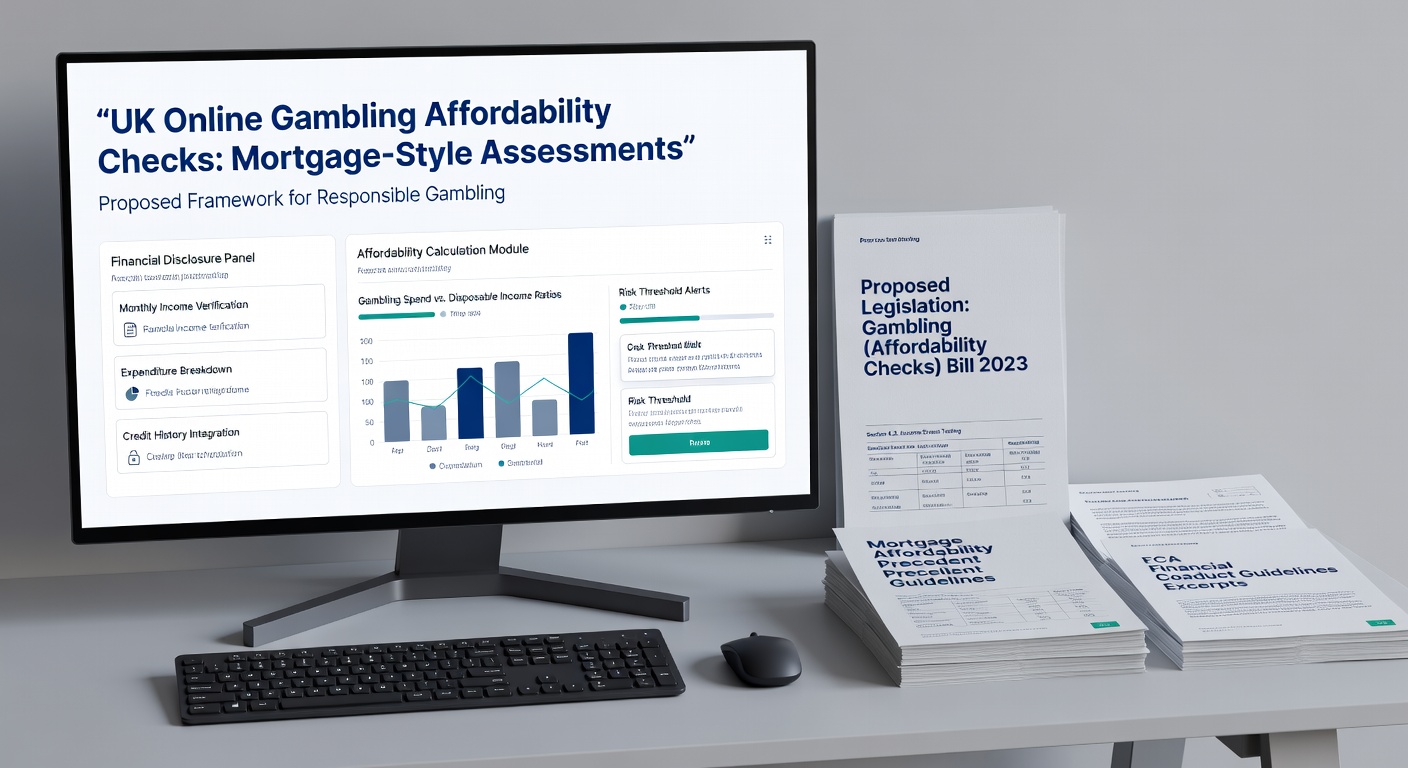
Turns out financial vulnerability checks offer a counterpunch, with pilots scanning 1.7 million punter accounts and achieving 97% frictionless processing, identifying 4-6% as at-risk based on affordability thresholds like £1,000 monthly net deposits. Experts who've analyzed the rollout note how soft checks—pulling open banking data without credit hits—boosted compliance buy-in, although 3% opt-out rates signal privacy pushback from high rollers.
So while the grey market nibbles at edges, these pilots lay groundwork for mandatory 2027 rollout, potentially staunching outflows if paired with payment blocking tech; one study from a trade body found that vulnerable players comprised 70% of black market migrants, underscoring the checks' targeted punch.
People in the know observe how April's duty deadline amplifies pressures, with operators lobbying for white-list expansions to licensed foreign sites, yet regulators hold firm, prioritizing consumer safeguards over revenue chases. It's not rocket science: balanced enforcement keeps the ecosystem viable, as unchecked illicit play erodes the £15 billion regulated GGY pot.
Ripple Effects Across Operators and Players
Large chains like Entain and Flutter absorb the RGD sting through diversified arms—sports and land-based cushions online hits—while indie slots specialists face steeper climbs, some consolidating or exiting per merger filings. Players notice thinner bonuses firsthand, with 10x caps meaning a £100 free bet demands £1,000 turnover before cashouts, a far cry from yesteryear's freer reins.
Yet bingo enthusiasts cheer the duty ax, as operators roll out promo-heavy sessions unburdened by extra levies, blending social play with digital convenience; case in point, Mecca Bingo's app saw 11% download spikes post-repeal announcements, per app store analytics.
And for the broader scene, these 2026 markers test resilience, with Q1 earnings calls revealing flat online casino revenues despite volume gains, as tax math offsets player traffic. Observers track how promo purity reshapes habits, funneling casuals to bingo and sports while slots harden into loyalist turf.
Looking Ahead: Industry Adaptation in Motion
As April 2026 unfolds with Rhodes' departure and duty deadlines, the UK gambling arena recalibrates swiftly, balancing fiscal grabs against player protections in a black market-shadowed arena; pilots' 97% success on vast account volumes signals tech's readiness for wider nets, while promo caps and tax tiers redraw competitive lines. Data suggests steady evolution rather than collapse, with operators leaning on data-driven personalization to thrive under tighter rules, and regulators eyeing black market erosion as the true win metric. The reality is these shifts cement a more measured marketplace, where compliance crowns survivors and innovation fills teh gaps left by yesterday's wilder ways.