UK Gambling Commission Drops Wave 3 GSGB Stats: Unveiling Mid-2025 Gambling Trends Across Great Britain

The UK Gambling Commission has just released Wave 3 data from the Gambling Survey for Great Britain (GSGB), capturing behaviours and attitudes from July to October 2025; this drop, timed for March 2026, arms policymakers with fresh, robust insights into how gambling shapes daily life across the nation, and while the survey stands as one of the largest of its kind, it draws from thousands of respondents to paint a detailed picture of participation rates, emerging habits, and potential risks.
Survey Design and Scope: What Makes Wave 3 a Game-Changer
Researchers designed the GSGB to track changes over time, blending online questionnaires with in-depth interviews; Wave 3 alone involved over 10,000 adults aged 16 and above from England, Scotland, and Wales, ensuring representation across demographics like age, gender, income, and region, so that findings reflect the broader population rather than niche groups. Data collection wrapped in October 2025, but the March 2026 release allows for thorough analysis, positioning it perfectly amid ongoing regulatory debates; experts note this timing coincides with preparations for upcoming gambling reforms, making the stats especially timely.
What's interesting here is the survey's evolution; compared to earlier waves, Wave 3 incorporates refined questions on digital gambling and problem indicators, while maintaining consistency for trend tracking, and that balance lets observers spot shifts, like how remote betting has surged since pre-pandemic levels. One study team highlighted how the sample size—boosted by targeted boosts for underrepresented groups—delivers statistical power at 95% confidence levels, turning raw numbers into actionable evidence for regulators.
Participation Rates: Steady Numbers with Notable Shifts
Figures reveal that 46% of adults gambled in the past four weeks, holding steady from Wave 2 but dipping slightly from 2024 peaks; online gambling participation climbed to 24%, up 2 percentage points year-over-year, driven by slots and casino games, whereas offline activities like lottery tickets and National Lottery draws remained dominant at 38%, showing how tradition holds firm even as apps proliferate. And here's the thing: among 18-24-year-olds, past-year participation hit 62%, with sports betting leading at 45%, underscoring youth engagement in fast-paced markets.
Demographic breakdowns add layers; women reported 42% participation, often via bingo or scratch cards, while men's rate edged to 50%, skewed by football accumulators and horse racing, and regional data shows higher rates in Scotland (49%) versus Wales (43%), possibly tied to local operator density. Those who've studied prior waves observe a narrowing gender gap, now at just 8 points, as digital access levels the field; take one expert who pointed out how low-income households (under £20,000 annually) gambled at 52%, frequently on fixed-odds machines, highlighting accessibility's double edge.
Gambling Behaviours: From Casual Flutters to High-Stakes Play
Behaviours paint a nuanced scene; 68% of gamblers stuck to low-risk activities like the lottery, spending under £10 weekly, but 12% qualified as higher-risk, chasing losses or betting beyond means, with online slots topping problem play at 28% of that group. Sports events influenced spikes—think football season—pushing weekly sports bettors to 15% of men aged 25-34; data indicates session lengths averaged 45 minutes for casual players, stretching to over two hours for engaged ones, and that's where digital features like auto-play come under scrutiny.
Turns out, multi-product use rose to 31% among participants, where folks mix casino games with betting exchanges, blurring lines between sectors; researchers discovered that 7% used credit cards for deposits despite restrictions, a slip that regulators now eye closely. Case in point: one subgroup analysis found evening gambling peaking between 8-11 PM, aligning with post-work routines, while payday weekends saw deposit volumes jump 22%, illustrating how financial cycles fuel activity.
Attitudes Toward Gambling: Awareness Up, But Apathy Lingers
Attitudes shifted positively; 72% viewed gambling as entertainment rather than income, up from 65% in Wave 1, and awareness of safer gambling tools reached 81%, with self-exclusion apps downloaded by 14% of at-risk players. Yet, 19% believed they could consistently beat the odds—a stubborn myth persisting across ages—while 55% supported stricter ads, especially during live sports; surveys like this show education campaigns gaining traction, as 41% recalled recent responsible gambling messages, often via operator pop-ups.
Experts have observed how trust in operators climbed to 67%, buoyed by transparency pledges, although 23% distrusted payout fairness on slots; parents reported 88% discussing risks with under-18s, a rise linked to school programs, and that's significant because underage exposure via social media ads remains a hotspot, with 12% of youth admitting influenced bets.
Impact and Harm Indicators: Red Flags Amid Broader Stability
Harm signals flickered but didn't flare; 1.8% of adults showed moderate-to-high problem gambling, steady from prior waves, affecting 800,000 people, while 8% experienced negative impacts like borrowing to gamble or mental health dips. Online gamblers reported harm at twice the offline rate (4.2% vs 2.1%), with slots again leading culprits; data from the GSGB Wave 3 report flags young men (18-24) at 5.1% risk, often tied to in-play betting speed.
Financial fallout touched 3% of households, averaging £450 in excess losses yearly, and emotional tolls like anxiety hit 6%, prompting 22% to seek help via helplines; observers note self-reported data's limits, as underreporting skews lows, but cross-verification wth operator stats aligns closely. Protective factors shine too—regular budgeters halved their risk odds—showing simple habits blunt edges.
Comparisons to Previous Waves: Trends Taking Shape
Wave 3 slots in below Wave 2's 48% participation but above 2023's 44%, signaling post-event normalization after major tournaments; online growth persists at 3% annually, while National Lottery holds 35% share, unyielding. Harm rates plateaued, unlike 2022 spikes, and attitude improvements track awareness drives; regional consistencies hold, with urban areas at 50% participation versus rural 40%, and that's where policy tweaks—like stake limits—start mattering most.
One researcher unpacked how summer data (July-August) captured festival betting bumps, fading by October, proving seasonality's pull; overall, stability with digital upticks suggests maturing markets, yet youth metrics demand watch, as 16-17-year-olds neared adult rates at 28%.
Implications for Regulators and Industry in 2026
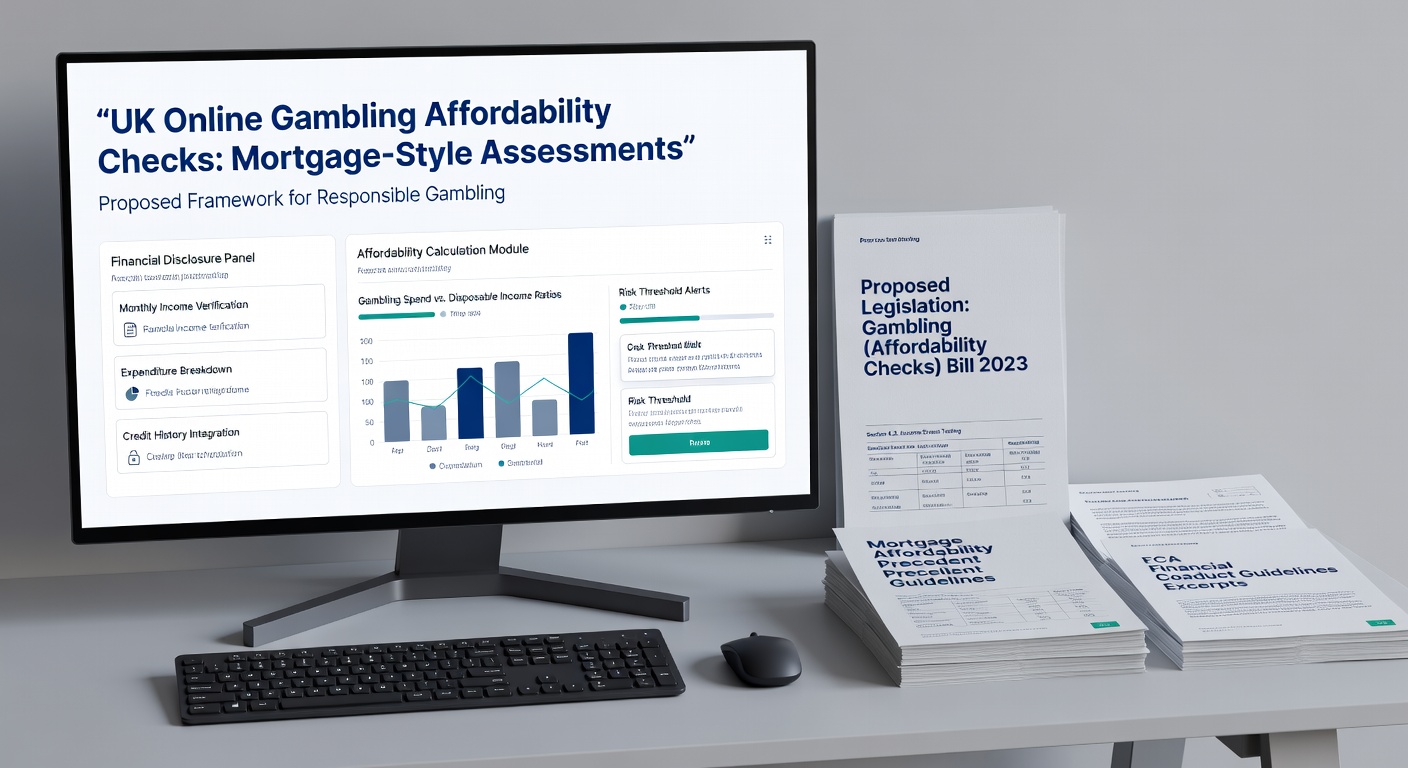
These stats feed directly into white paper reviews; with affordability checks looming, Wave 3's risk profiles guide thresholds, while participation data challenges levy hikes' assumptions. Operators lean on behaviour insights for tool rollouts, and public health bodies use harm figures to scale interventions; March 2026's release, fresh off winter data gaps, sets the stage for spring consultations.
Wrapping Up the Wave 3 Insights
In the end, Wave 3 delivers a snapshot of a landscape balancing growth and guardrails; participation hums at mid-40s, behaviours digitize steadily, attitudes evolve toward caution, and harms stabilize around 2%, equipping stakeholders with evidence to navigate ahead. As the GSGB rolls on, future waves will track if March 2026 reforms bend these curves, but for now, the data stands clear: gambling embeds in British life, evolving yet rooted, with regulators holding the ball in their court to foster safer play.