25 Jul 2026
Gambling Commission Publishes Third Annual GSGB Report Revealing Consistent Participation Patterns

The Gambling Commission has released the third annual report from the Gambling Survey for Great Britain, which delivers the first set of three consecutive years of comparable official statistics spanning 2023 through 2025 on participation, behaviours, attitudes, and consequences. This release provides researchers and policymakers with a clearer longitudinal view of how adults across Great Britain engage with gambling activities and experience related outcomes.
Data collection involved approximately 20,000 respondents each year through a partnership between the Gambling Commission, the National Centre for Social Research, and the University of Glasgow. The resulting figures establish a baseline that allows direct year-over-year comparisons without the methodological shifts that previously complicated trend analysis.
Participation Rates Hold Steady Across the Period
Participation remained stable at 47 percent of adults who reported gambling in the past four weeks, according to the aggregated results. This figure held consistent across the three survey waves, indicating no significant upward or downward movement in overall engagement during the measured timeframe. Observers note that such stability provides a reference point for future monitoring, especially as regulatory adjustments continue to unfold in the sector.
Problem gambling rates, measured by a PGSI score of 8 or higher, also stayed level at 2.4 percent throughout the same period. The consistency in this metric suggests that the proportion of adults experiencing the most severe gambling-related difficulties did not shift measurably between 2023 and 2025. Those who have examined similar surveys in other jurisdictions often highlight how difficult it can be to achieve three years of uninterrupted, comparable data on this particular indicator.
Survey Methodology Supports Reliable Comparisons
The annual sample size of roughly 20,000 adults enables detailed breakdowns by demographic groups, activity types, and regional variations while maintaining statistical robustness. Because the same core questions and sampling approach were repeated each year, analysts can now track subtle changes in attitudes and behaviours that might have been masked in earlier, non-comparable datasets. The partnership institutions contributed expertise in survey design, fieldwork execution, and statistical weighting to minimise bias and maximise representativeness.
Results cover not only participation and problem gambling prevalence but also broader consequences such as financial impacts, relationship strains, and health associations. These additional dimensions allow a more rounded picture than participation numbers alone could provide. Experts have observed that multi-year datasets like this one become particularly valuable when evaluating the effects of policy interventions introduced midway through the collection period.
Context Within Broader Regulatory Landscape
The report arrives at a moment when Great Britain continues to refine its approach to gambling oversight, with the Commission using the new comparable statistics to inform ongoing work on harm reduction measures. Because three full years of aligned data now exist, regulators can distinguish between short-term fluctuations and more persistent patterns in a way that single-year snapshots never permitted. The University of Glasgow team contributed academic rigour to the analysis, while the National Centre for Social Research handled much of the fieldwork logistics.
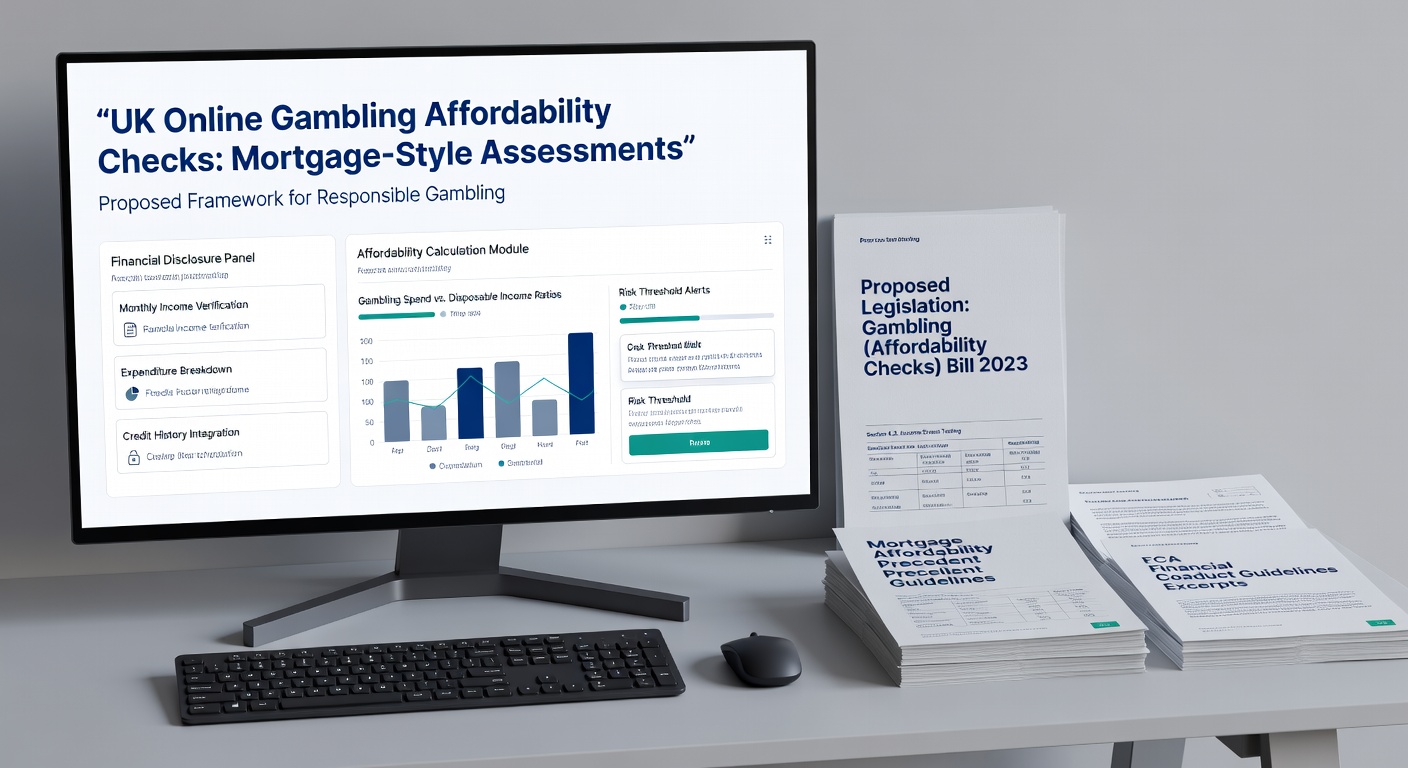
Figures reveal that the stable participation rate of 47 percent encompasses a wide range of activities, from lottery draws and sports betting to casino games and online slots. The absence of dramatic change across the three years stands in contrast to periods when survey methods changed and apparent shifts proved difficult to interpret. Data shows the 2.4 percent problem gambling rate applies across the adult population, with further subgroup analysis available in the full tables published alongside the main report.
Future Monitoring and Data Utility
With three consecutive years now available, the GSGB dataset becomes a foundational resource for academic studies, industry analysis, and public health planning. Researchers discovered that longitudinal consistency enables more confident attribution of any future changes to specific events or policy shifts rather than methodological artefacts. The Gambling Commission has indicated that subsequent annual reports will maintain the same framework to extend the time series further.
Those who have studied earlier British gambling surveys recognise the significance of reaching this milestone of comparability. The partnership model between the Commission, NatCen, and the University of Glasgow has produced a resource that can be referenced in parliamentary debates, academic papers, and regulatory consultations for years to come. Statistics from the report are already being integrated into evidence reviews that examine the effectiveness of current player protection tools.
Conclusion
The third annual Gambling Survey for Great Britain report marks an important step in establishing reliable trend data on gambling participation and harm across the country. Stable figures of 47 percent participation and 2.4 percent problem gambling prevalence over three years provide a solid platform for continued observation. The collaborative effort behind the survey ensures that future releases can build directly on this foundation, supporting evidence-based decisions in regulation and research alike. Readers can access the full Gambling Survey for Great Britain (Annual Report 2025): Official statistics for detailed tables and methodology notes.