27 Jun 2026
Fitness tracking across disciplines reveals new angles for multi-event wager strategies
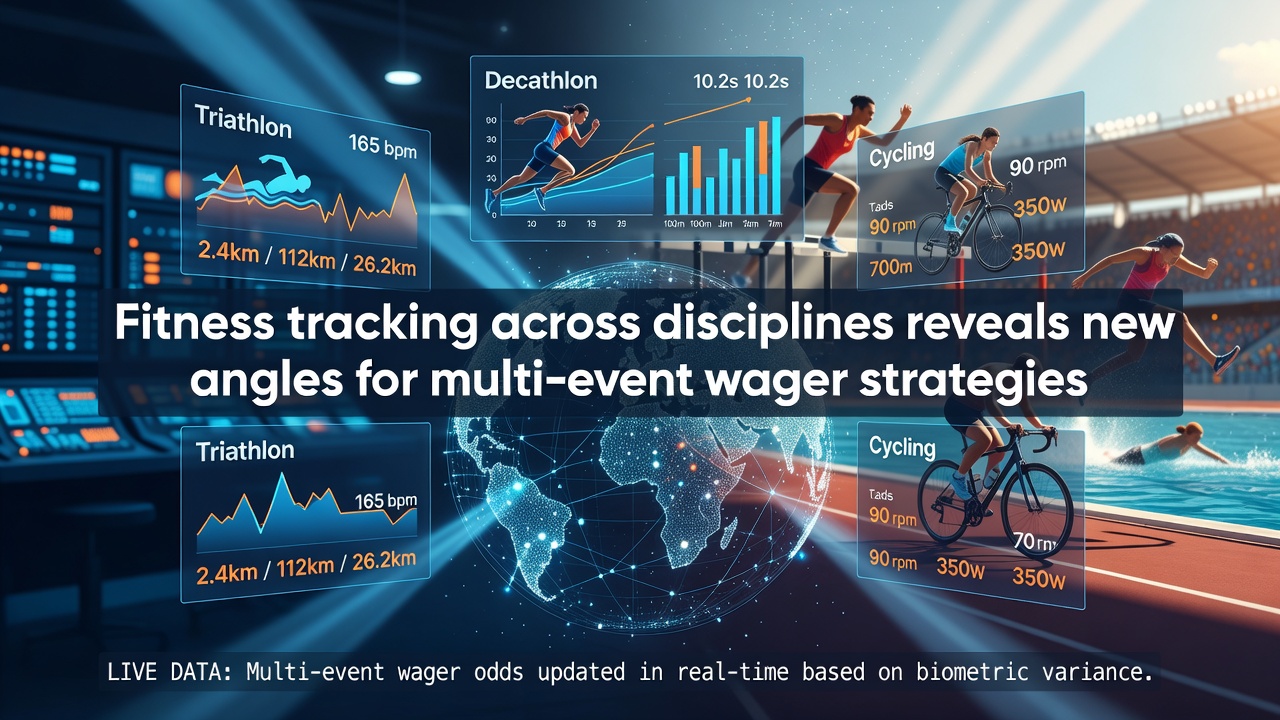
Modern fitness trackers have moved beyond basic step counts into detailed biometric analysis that spans running, cycling, swimming and team sports, and those datasets now feed directly into multi-event wager planning because they highlight recovery patterns, workload spikes and injury risks across disciplines. Observers note that when athletes compete in combined formats like triathlons or festival weekends that bundle several events, the aggregated data points create clearer edges for accumulators that link outcomes from different activities. Data from wearable devices shows how heart-rate variability and sleep metrics correlate with performance consistency, giving bettors measurable signals rather than relying solely on historical form.
Cross-discipline data patterns in endurance events
Researchers at institutions such as the Australian Institute of Sport have documented how GPS and power-meter readings from cyclists translate to running economy in subsequent events, and those correlations strengthen when athletes face back-to-back days of competition. Studies indicate that a 5 percent drop in power output during a morning cycling leg often precedes slower split times in an afternoon run, yet the same athletes frequently rebound if overnight recovery metrics stay above established thresholds. People who follow multi-event markets therefore monitor these thresholds to identify when an accumulator that includes both disciplines carries higher or lower probability than implied odds suggest.
What's interesting is the way swimming data integrates with land-based metrics. Lactate threshold tests conducted in pools reveal carry-over fatigue that affects cycling power the next day, and multiple reports confirm this link holds across elite and age-group competitors. When June 2026 festival programmes schedule swim-bike-run sequences within 24 hours, the combined datasets allow more precise modelling of cumulative stress than single-sport records alone can provide.
Applying recovery metrics to accumulator construction
Heart-rate variability scores collected through chest straps and wrist devices have become standard inputs for teams assessing daily readiness, and the same figures now appear in analytical models used by professional bettors who construct multi-event wagers. A consistent pattern emerges where athletes maintaining variability above 80 milliseconds across three consecutive days show reduced variance in finishing positions, whereas drops below 60 milliseconds coincide with higher rates of mid-pack results or withdrawals. Those who build accumulators across several events therefore treat sustained high variability as a filter that narrows the field before odds compilation begins.
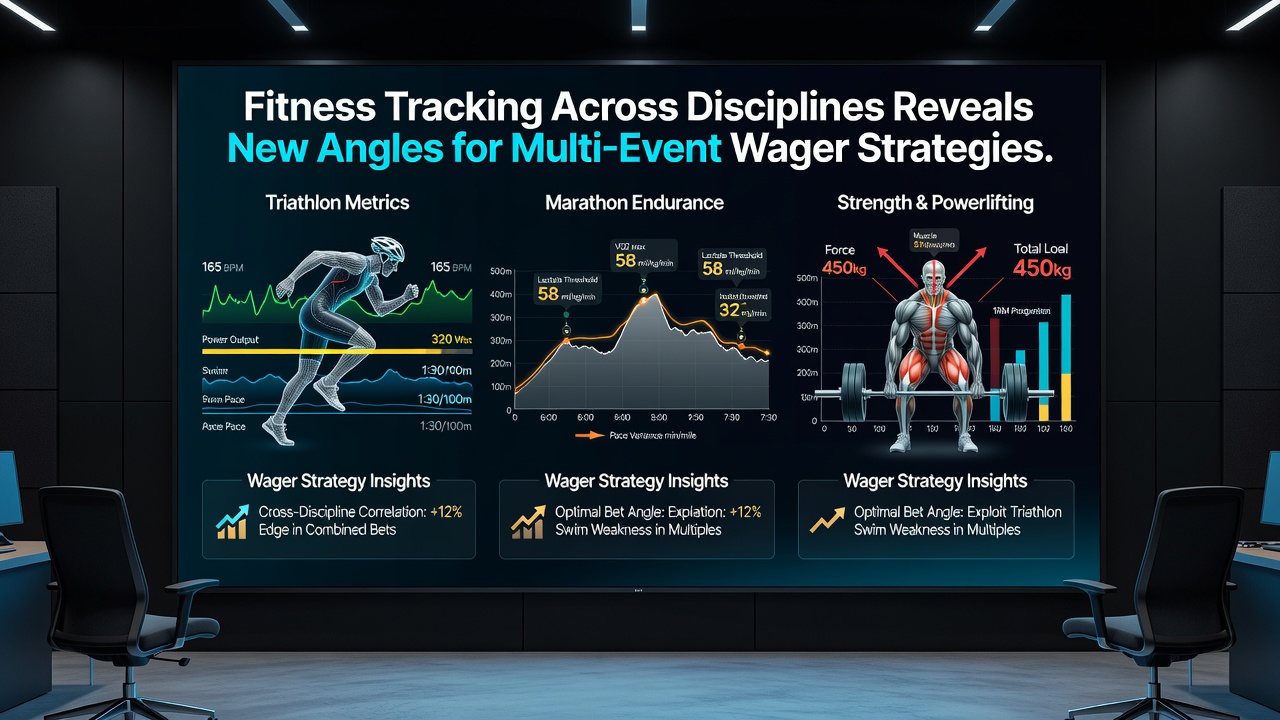
Training-load ratios add another layer. When external load from one discipline exceeds internal load capacity measured by subjective wellness questionnaires, subsequent event outcomes shift measurably. Evidence from longitudinal tracking in European triathlon circuits shows that ratios above 1.5 for two straight days increase the likelihood of underperformance by the third event, and this statistical relationship holds after controlling for course difficulty and weather variables. Accumulator strategies that incorporate load-ratio cut-offs therefore exclude certain combinations that historical form alone would have retained.
Integration with team-sport and individual-event overlaps
Fitness tracking also bridges individual endurance disciplines with team sports that appear in the same betting markets during major festivals. GPS-derived distance and high-speed running metrics from football training sessions correlate with next-day cycling performance when athletes cross over into multi-sport formats, and comparable links appear between rugby workload and running events. Data published through the National Center for Biotechnology Information demonstrates that shared biomarkers such as creatine kinase levels rise similarly across these domains, allowing unified risk models rather than separate sport-specific calculations.
June 2026 schedules include several programmes where football fixtures sit alongside triathlon legs within the same venue cluster, and the overlapping recovery windows create new accumulator angles. Bettors who track creatine kinase trends across both football and endurance squads can identify squads or individuals whose multi-event participation carries elevated or reduced variance compared with isolated starts. This approach moves beyond traditional head-to-head or outright markets into layered selections that reflect physiological carry-over rather than isolated results.
Limitations and data-access considerations
Public availability of detailed fitness data remains uneven. Professional teams often restrict full datasets to internal use, while age-group and semi-professional circuits release aggregated summaries through governing bodies. The International Olympic Committee has encouraged standardised reporting frameworks that would increase transparency, yet adoption varies by sport and region. Those constructing wager strategies therefore combine publicly released summaries with performance proxies such as race splits and training-camp reports to approximate the biometric signals that remain behind closed doors.
Accuracy of consumer-grade devices also varies, and studies comparing optical wrist sensors against laboratory-grade chest straps show discrepancies of up to 8 percent during high-intensity intervals. Models that weight multiple data streams and apply confidence intervals around each metric help mitigate device-specific error, and practitioners who maintain these weighted approaches report more stable edges across different competition calendars.
Conclusion
Fitness tracking across running, cycling, swimming and team sports supplies measurable inputs that refine probability estimates for multi-event accumulators. Recovery scores, training-load ratios and cross-discipline biomarker trends now supplement traditional form analysis, and the expanding calendar of combined festivals scheduled through 2026 continues to widen the practical applications. Observers continue to monitor how governing bodies and device manufacturers refine data standards, because those refinements directly affect the precision available for wager construction in overlapping event markets.