Dr James Noyes Urges Pause on UK Affordability Checks as Pilot Raises Red Flags
16 Apr 2026
Dr James Noyes Urges Pause on UK Affordability Checks as Pilot Raises Red Flags

Dr James Noyes, a senior fellow at the Social Market Foundation and a key voice in gambling reforms, has called on the UK Gambling Commission to hit the brakes on rolling out financial risk assessments—or affordability checks—for online gamblers, at least until the pilot scheme launched back in September 2024 gets a thorough once-over; this push comes via an open letter to Culture Secretary Lisa Nandy, spotlighting issues like patchy data, fuzzy results, and extra strain on horse racing punters, while the British Horseracing Authority sounds alarms about bettors fleeing to black market operators and the sport facing multimillion-pound hits.
Roots of the Affordability Checks Push
These checks form a cornerstone of teh Gambling Commission's drive to tackle gambling harm, aiming to flag punters whose spending might veer into risky territory by scrutinizing financial data like credit records or transaction histories; regulators envision full deployment as soon as next month, building on years of consultation and partial trials, yet Noyes argues the timing feels rushed, especially with the pilot still unfolding. Observers note how such measures target problem gambling—data from earlier reviews shows thousands of UK adults grappling with addiction each year—although implementation details have sparked debate since the white paper dropped in 2023.
What's interesting here is the shift from voluntary tools to mandatory hurdles; operators must now verify if a punter's bets align with their means, often requiring proof of income or assets, and while proponents say it protects vulnerable players, critics like Noyes highlight gaps in the evidence base before going all-in nationwide.
Noyes Steps into the Spotlight with His Open Letter
In his letter dated around mid-April 2026, Noyes—who's long championed reforms like stake limits on slots—lays out a measured case for caution, urging Nandy to instruct the Commission to shelve national rollout pending pilot analysis; he points to "inconsistent data" emerging from testbeds, where operators in select regions have trialed the checks since last autumn, and warns that unclear outcomes could undermine the very goals of harm reduction. According to The Guardian's coverage, Noyes frames this not as opposition but as smart housekeeping, ensuring the system works before scaling up.
Take one scenario researchers have flagged: a punter cleared in one operator's check might hit a wall elsewhere due to varying thresholds, creating confusion that frustrates users and burdens compliance teams; Noyes emphasizes this patchwork, noting how it risks eroding trust in regulated betting while the pilot's full data—expected soon—remains half-baked.
Horse Racing Bears the Brunt of Early Warnings
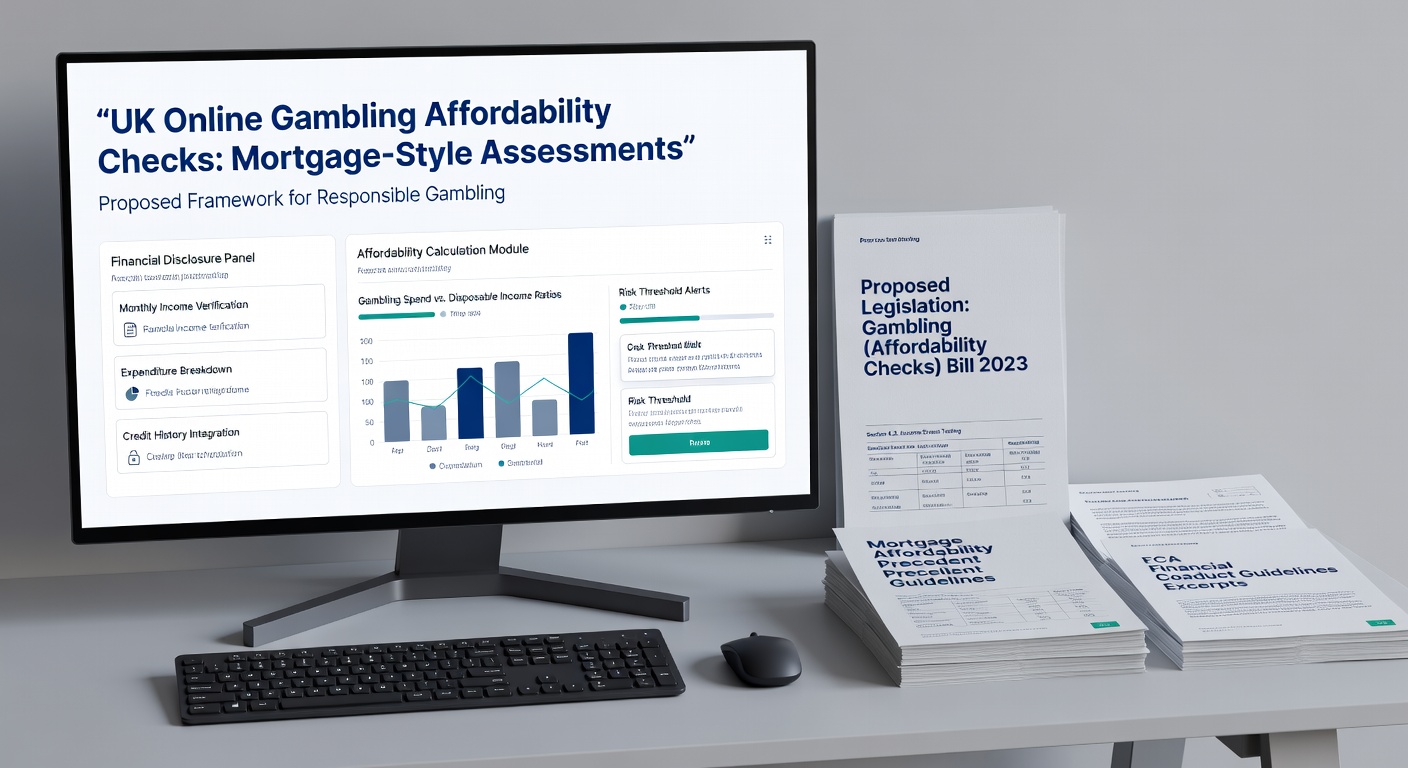
The British Horseracing Authority has amplified these concerns, projecting that affordability checks could slash levy income—vital for racecourse funding—by millions annually as casual bettors dodge the friction by turning to unlicensed sites; their analysis, echoed in Racing Post reports, paints a picture of customers alienated by repeated document requests, especially low-stakes punters who fuel everyday betting on UK tracks. Figures from industry trackers reveal horse racing draws about 40% of gambling turnover, so any dip hits hard, potentially forcing closures or reduced prize money.
But here's the thing: while Noyes supports the checks in principle—having backed earlier reforms—the current setup, with its blunt application across bet types, overlooks racing's unique rhythm, where small, frequent wagers build the sport's lifeblood; experts who've modeled this predict a 10-20% drop in bets if checks proliferate unchecked, driving activity offshore where protections vanish.
Unpacking the September 2024 Pilot Scheme
Launched quietly in September 2024 across a handful of operators and regions, the pilot tests frictionless checks for higher rollers alongside document-heavy ones for others, gathering data on refusal rates, customer drop-off, and harm indicators; early snapshots show inconsistencies—some firms report smooth sailing with tech integrations, while others grapple with data privacy snags under GDPR rules, and punters complain of delays that kill in-play excitement. Researchers monitoring the scheme note participation from major bookies like Flutter and Entain, yet full evaluation metrics remain pending, with interim findings hinting at higher abandonment among horse racing fans.
So why the urgency now, in April 2026? Regulators eye a May rollout to align with license renewals, but Noyes contends this leapfrogs proper review; one study from similar frictionless pilots in Norway found compliance costs eating 5-10% of margins, a burden UK firms might pass to odds or promotions, subtly reshaping the betting landscape.
People who've tracked these trials often discover quirks—like how self-exclusion rates haven't spiked as hoped, suggesting checks catch some issues but miss others tied to emotional betting bursts; that's where the rubber meets the road for reformers balancing protection and access.
Broader Regulatory Landscape and Stakeholder Reactions
These checks nest within the 2025 Gambling Act tweaks, which ramp up oversight post-White Paper, including £2 online slots caps already live and age verification mandates; the Commission defends the pace, citing pilot learnings to refine thresholds—say, £1,000 monthly loss triggers for enhanced checks—yet industry bodies like the Betting and Gaming Council echo Noyes, calling for phased rollout with exemptions for low-risk verticals like racing. Observers point to European parallels, where Sweden's similar system cut harm but trimmed market size by 15%, a trade-off UK stakeholders debate fiercely.
And then there's the black market bogeyman; data from H2 Gambling Capital indicates unlicensed sites already snag 5-10% of UK action, with checks potentially swelling that if legitimate options feel too cumbersome—Noyes highlights this in his letter, arguing unproven policy could backfire spectacularly. Those in the trenches, from bookie compliance officers to track executives, report early pilot anecdotes of punters simply switching apps mid-race, underscoring the stakes as full implementation looms.
It's noteworthy that Noyes, no stranger to the reform table, flips the script here; usually aligned with tougher rules, his pause plea underscores a maturing debate where evidence trumps haste, especially with Culture Secretary Nandy's department holding the reins amid election-year scrutiny.
What Lies Ahead for UK Gambling Reforms
As the pilot wraps—final reports due imminently—Noyes' intervention puts pressure on decision-makers, who must weigh harm stats against economic fallout; horse racing, contributing £4 billion yearly to the economy, stands as a flashpoint, with the Authority urging tailored exemptions to preserve its ecosystem. Regulators have signaled flexibility, hinting at adjustments based on data like drop-off rates hovering at 8-12% in tests, yet without a formal pause, the May timeline holds firm.
Turns out, this saga reveals the tightrope of modern gambling policy: protect players without kneecapping a £15 billion industry; stakeholders watch closely, knowing one misstep could cascade from tracks to tribunals.
Conclusion
Dr James Noyes' open letter crystallizes a pivotal moment for UK affordability checks, blending cautious advocacy with hard data demands amid the pilot's revelations; while the Gambling Commission presses forward to curb harm, voices from racing and reform circles highlight risks of inconsistency, black market shifts, and lost revenue—leaving the ball in Lisa Nandy's court as April 2026 tensions build toward potential nationwide checks. The coming weeks, with pilot evaluations inbound, will shape whether rollout proceeds smoothly or hits pause, ensuring any verdict rests on solid ground rather than rushed assumptions.