2 Jun 2026
Barometric Fluctuations and Endurance Performance Patterns in Layered Athletic Competitions
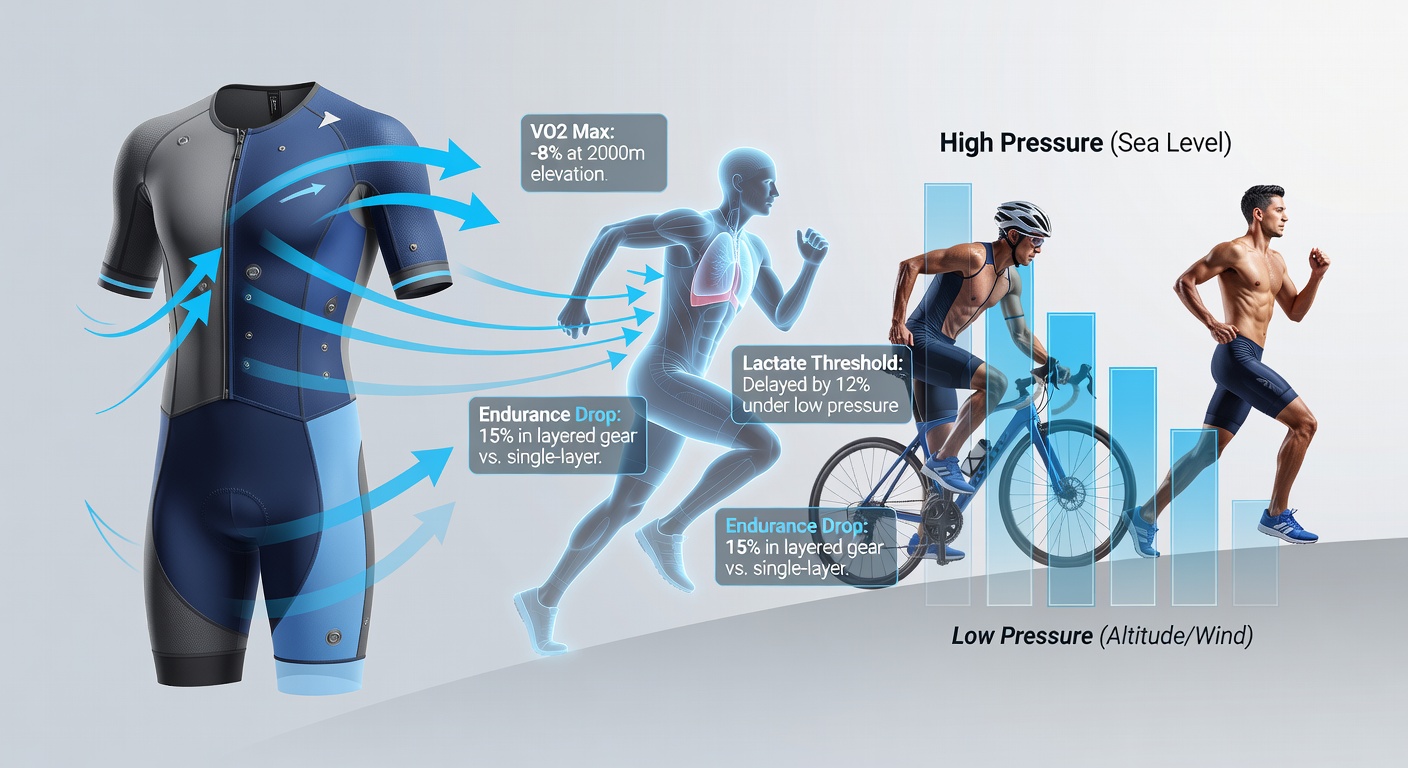
Atmospheric pressure changes create measurable shifts in how athletes sustain effort across extended events, and data from multiple sports reveal consistent patterns in heart rate responses, oxygen uptake, and overall output when barometric readings fluctuate. Researchers track these variations through portable sensors during competitions, and findings show that drops in pressure often coincide with altered pacing strategies in events lasting beyond 90 minutes. Observers note that endurance metrics such as lactate threshold and time-to-exhaustion respond directly to these environmental cues because lower pressure reduces the partial pressure of oxygen available for muscle function.
Physiological Mechanisms Behind Pressure Effects
Barometric pressure influences the density of air molecules, which in turn affects how efficiently lungs transfer oxygen into the bloodstream during sustained activity. Studies conducted at moderate altitudes demonstrate that a 10-millibar decline can increase perceived exertion by measurable percentages while decreasing maximal oxygen consumption, and similar responses appear in sea-level competitions when weather fronts pass through. Data collected from cycling time trials and marathon events indicate that athletes adjust stride length and cadence within the first 20 minutes of exposure to these shifts, which alters cumulative energy expenditure over the full distance. Those who monitor training logs across seasons find that repeated exposure to pressure swings leads to subtle adaptations in red blood cell production, although the timeline for such changes varies by individual physiology and training volume.
Evidence from Field Measurements
Equipment placed on competitors during triathlons and duathlons records real-time correlations between pressure readings and power output, with researchers reporting that a falling barometer often precedes a 3 to 7 percent reduction in sustainable wattage for elite performers. One analysis of multi-day stage races showed that teams revised hydration and nutrition protocols on days when pressure dropped rapidly, because gastrointestinal efficiency and muscle recovery both declined under those conditions. Figures from national sports institutes in several countries confirm that swimmers experience parallel effects during open-water events, where surface pressure changes influence breathing patterns and stroke efficiency over long distances.
Cross-Sport Patterns in Multi-Event Formats
Layered selections that combine running, cycling, and other endurance disciplines reveal overlapping responses to pressure changes because each sport taxes aerobic systems in slightly different ways. Performance databases from combined events indicate that runners tend to show earlier fatigue markers when pressure falls compared with cyclists, whose seated position and equipment allow partial compensation through aerodynamic adjustments. Data aggregated across several seasons demonstrate that triathletes who compete in regions with frequent weather variability maintain more stable split times when they incorporate pressure forecasts into pre-race planning, and similar trends appear in adventure racing circuits where cumulative elevation and duration amplify the impact. Those who study these interactions point to consistent markers such as elevated core temperature readings and delayed recovery heart rates that appear across disciplines whenever pressure shifts exceed 5 millibars within a six-hour window.
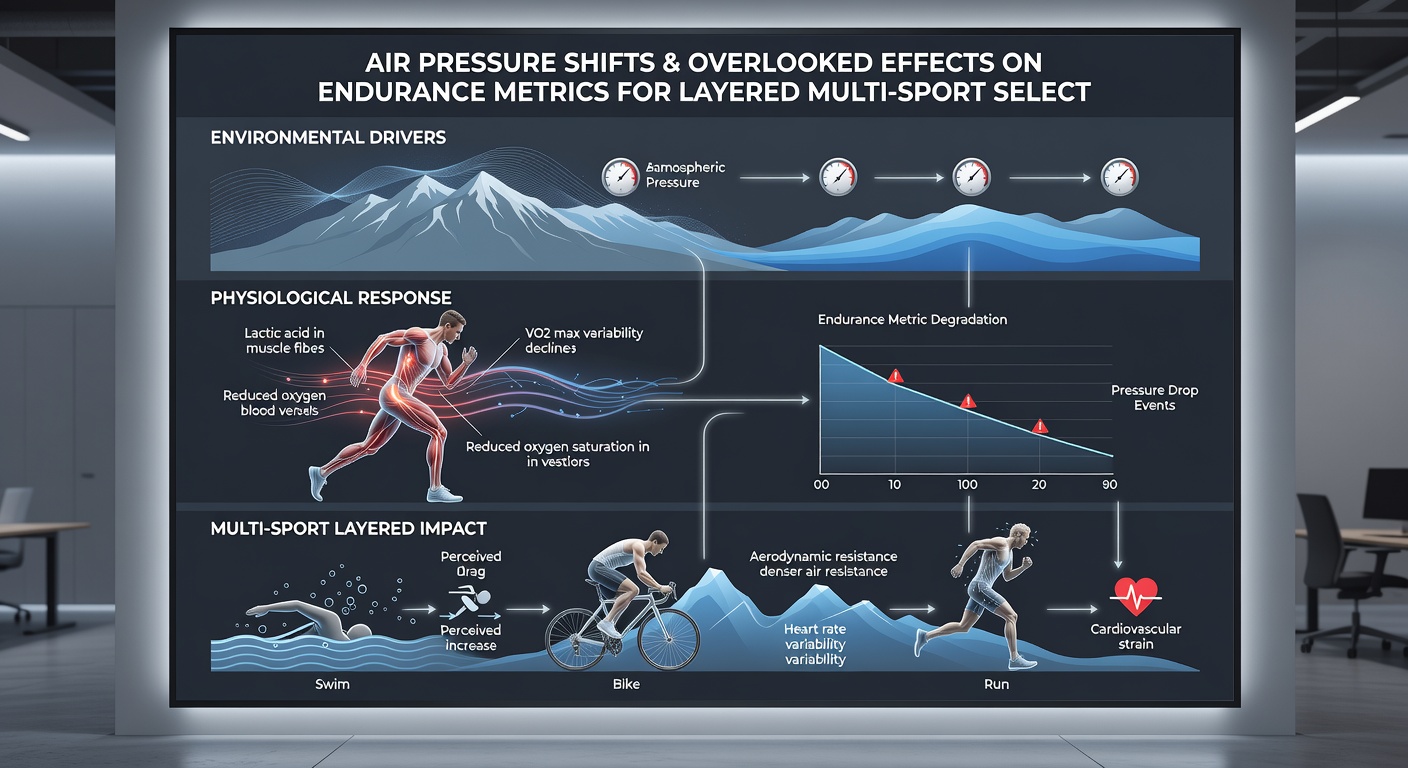
June 2026 schedules include several high-profile multi-sport competitions scheduled across diverse climates, and organizers have begun integrating atmospheric monitoring into official timing systems to provide standardized environmental data alongside results. Reports from earlier events in comparable conditions show that pressure-related adjustments in pacing produce measurable differences in final standings, particularly when selections span both individual and team formats. Industry reports from groups such as the American College of Sports Medicine highlight how these variables interact with training load, and academic reviews published by the Australian Institute of Sport document comparable findings across hemispheres.
Measurement Tools and Data Integration
Modern sensor arrays combine barometric readings with GPS and heart-rate monitors, allowing analysts to isolate pressure effects from other variables such as temperature and humidity. Performance software used by national federations processes these streams to generate adjusted endurance indices, and teams apply the outputs when preparing for events that cross multiple days or locations. Observers note that historical datasets spanning more than a decade now support statistical models that predict the magnitude of performance change based on pressure gradients, although the precision of these models improves when additional physiological markers are included. Research indicates that athletes who review such integrated data during tapering periods achieve more consistent outputs across layered selections because they anticipate and mitigate the physiological load imposed by atmospheric shifts.
Conclusion
Barometric pressure variations produce documented influences on endurance capacity that appear across running, cycling, swimming, and combined formats, and the available measurements allow for systematic inclusion of these factors in performance analysis. Continued collection of field data alongside laboratory simulations will refine understanding of how these environmental signals interact with training status and event demands, providing clearer benchmarks for athletes and support staff who manage multi-sport schedules.